
Truck Repair Response Time: What to Expect
Table of Contents
Last Updated: October 11, 2026
What Determines Truck Repair Response Time
Truck repair response time depends on several factors that work together. Understanding them helps you set realistic expectations when your rig breaks down.
The biggest misconception is that response time is fixed. It's not. A 2 AM breakdown on a Saturday in a remote area will take longer than a noon breakdown on a Tuesday near the highway. That's just reality. The good news? Most factors are predictable once you know what drives them.
Distance and Location
Distance from our service hub matters most. A truck stranded five miles away gets faster service than one thirty miles out. But it's not just raw miles, road conditions, traffic patterns, and terrain all play a role.
Highway breakdowns typically see faster response than rural locations. Why? Our technicians can reach interstate exits quickly. Remote back roads mean longer travel times, even if the distance looks similar on a map.
Your location relative to major thoroughfares affects dispatch decisions too. A rig on I-80 gets prioritized differently than one on a county road.
Time of Day and Day of Week
A breakdown at 2 PM on Tuesday is different from 2 AM on Saturday. Peak hours mean more technicians are deployed and ready. Off-peak hours mean fewer available resources spread across the region.
Weekday afternoons typically see faster response times. Late nights and early mornings are slower, not because service isn't available, but because fewer technicians are on duty.
Weekends follow the same pattern. Saturday mornings are busier than Saturday nights. Sunday afternoons see fewer breakdowns overall, which sometimes means faster response for the calls that do come in.
Technician Availability and Current Workload
A technician already working on another breakdown can't reach you instantly. Current workload directly impacts response time. During peak season or after major weather events, wait times increase because every unit is engaged.
We manage this by tracking active jobs in real time. When a technician finishes one repair, dispatch immediately routes them to the next call. The system isn't perfect, sometimes repairs take longer than expected, but transparency about current workload helps set accurate expectations.
Fleet size matters here too. A larger operation has more units available simultaneously. A smaller service team means longer waits during heavy demand periods.
Mobile Truck Repair in the Region: How It Works
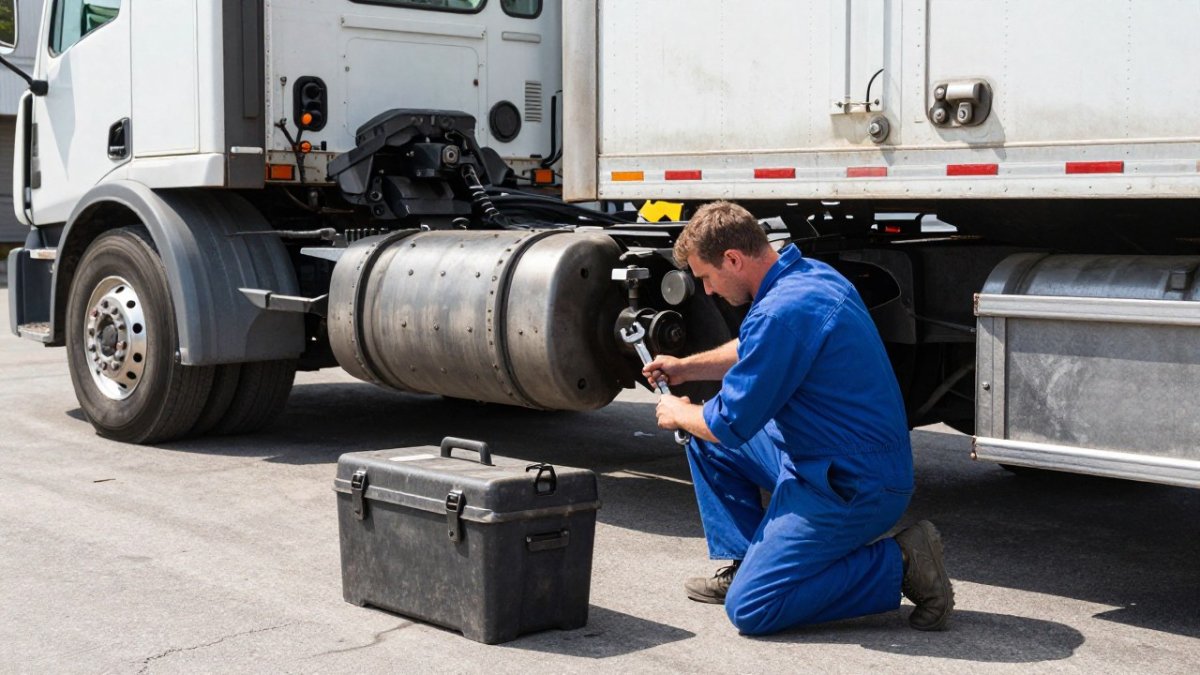
Mobile truck repair means we bring the shop to you. Our service trucks carry diagnostic equipment, hydraulic tools, and parts for common breakdowns. This approach saves time because your rig doesn't move until it's fixed, or until we determine it needs shop-level work.
The mobile unit model works best for roadside diagnostics and quick fixes. A fuel filter replacement, air leak repair, or electrical issue often gets resolved on-site. Engine rebuilds and major frame work require a proper shop with lifts and specialized equipment.
Big Rig Repair maintains a fleet of mobile units. This positioning reduces travel time to most breakdown locations.
The real advantage of mobile service is speed to diagnosis. We can connect diagnostic computers to your engine within minutes of arrival. That computer tells us exactly what's wrong. From there, we either fix it roadside or arrange transport to our shop.
Understanding Truck Repair Dispatch Information
Dispatch is the nerve center of roadside assistance. When you call, a dispatcher gathers specific information, prioritizes your call, and routes the nearest available technician to your location.
What Information Dispatchers Need From You
Give dispatchers these details immediately when you call:
Your exact location (mile marker, exit number, or address)
What the truck is doing (won't start, overheating, loss of power, strange noise)
Whether the rig is safely off the roadway or blocking traffic
Your contact number and preferred callback method
Your fleet account number if you have one with us
Any recent maintenance or known issues with the truck
Accuracy matters. A wrong mile marker sends the technician to the wrong place. A vague description of the problem delays diagnosis. The more specific you are, the faster dispatch can route the right technician with the right tools.
How Dispatch Prioritizes Emergency Calls
Not all breakdowns are equal. A rig blocking traffic on a major interstate gets higher priority than one safely parked in a lot. A truck with a driver stranded alone gets higher priority than one with a relief driver available.
Safety is the first filter. Calls involving hazardous materials, fire risk, or driver injury go to the front of the queue. Next come calls that block traffic or pose danger to other motorists. Then come breakdowns affecting active loads or time-sensitive deliveries.
This prioritization system isn't arbitrary, it's based on real risk and impact. Dispatchers know that a load sitting in the sun will spoil faster than one in a warehouse. They know that a truck blocking a lane creates backup and accident risk. These factors shape response sequencing.
Semi Truck Repair Time: Roadside vs. Shop
Not every repair happens at the roadside. Some jobs require a full shop with specialized equipment. Understanding the difference helps you plan around downtime.
Quick Fixes at the Roadside
Common roadside repairs take 30 minutes to two hours. Air leaks in brake lines, fuel filter replacements, alternator swaps, and electrical troubleshooting often resolve on-site. Our mobile units carry parts for these common issues.
The advantage is speed. Your truck gets fixed without a tow, and you're back on the road quickly. The technician diagnoses the problem, makes the repair, and you drive away.
Roadside repairs work when the fix is straightforward and doesn't require specialized equipment. A brake line leak gets sealed or rerouted. A bad alternator gets replaced. These are predictable jobs with known repair times.
When You Need to Return to the Shop
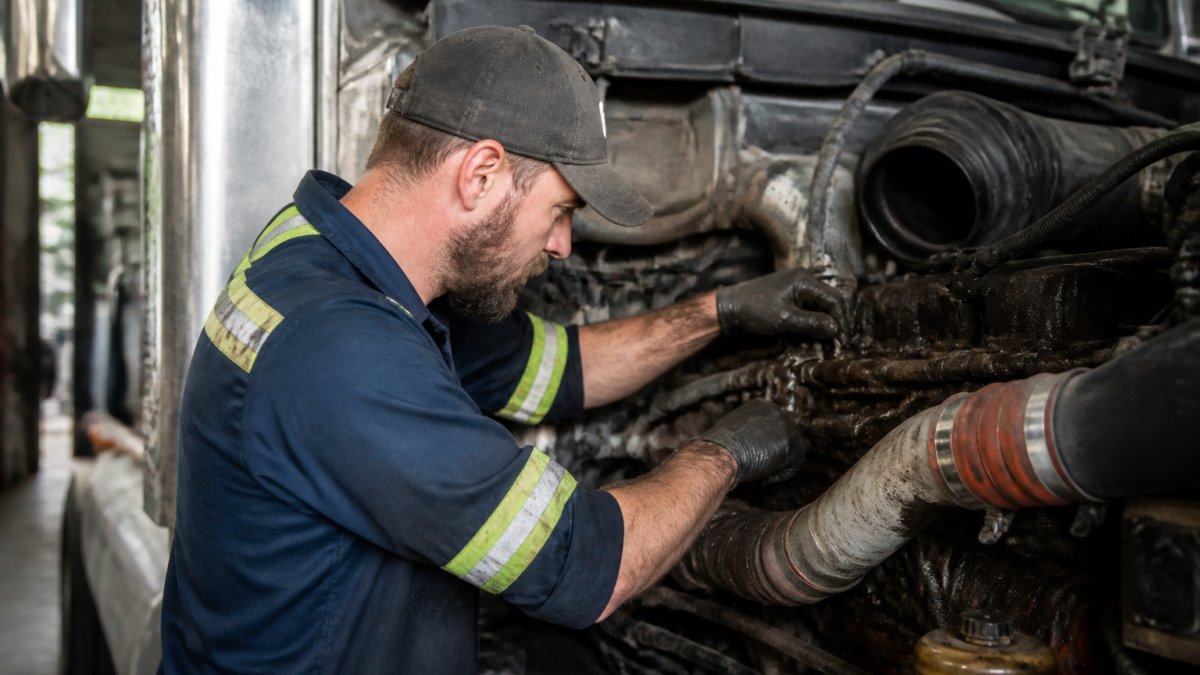
Major engine work, transmission issues, frame damage, and DOT inspections require shop-level service. These jobs need lifts, specialized diagnostic computers, and parts inventory that mobile units don't carry.
Transport to the shop adds time to your total downtime. A tow from a remote location might take an hour or more. Once at the shop, the actual repair could take anywhere from a few hours to several days depending on the problem.
Big Rig Repair's shop is equipped for comprehensive diagnostics and major repairs. We use advanced diagnostic systems to identify problems accurately.
Building a Fleet Breakdown Response Plan
A response plan isn't reactive, it's proactive. It reduces the impact of breakdowns before they happen.
Preventive Maintenance to Reduce Emergencies
Regular maintenance prevents most breakdowns. An engine that gets oil changes, filter replacements, and fluid checks is far less likely to fail on the road. A transmission that's serviced on schedule rarely leaves you stranded.
Many fleet managers treat preventive maintenance as optional. A single breakdown can cost more than a year's worth of maintenance. Downtime, towing, emergency repairs, and lost revenue can add up fast.
Preventive maintenance also means faster diagnostics when something does go wrong. A technician who knows your truck's history can narrow down problems faster. Recent service records tell us what's been checked and what might be next.
Establishing Service Agreements for Faster Response
Service agreements guarantee priority dispatch and faster response times. When you have an agreement with Big Rig Repair, your calls move higher in the queue. You also get predictable pricing instead of emergency-rate surprises.
Agreements work best for fleets with regular maintenance needs. We schedule preventive work during your preferred times, reducing unexpected breakdowns. When emergencies do happen, you get faster response because you're already in our system.
Agreements can also include dedicated technician familiarity. Your regular technician can learn your fleet's quirks and history. This can speed diagnosis and repair because they already know what to look for.
Service Model | Best For | Response Priority | Cost Structure |
On-Call Service | Occasional breakdowns | Standard queue | Per-call pricing |
Service Agreement | Regular fleets | Priority dispatch | Monthly or annual |
Preventive Program | Active fleets | Scheduled + priority | Bundled maintenance |
Emergency-Only | Rare situations | Urgent queue | Premium rates |
Response Time Expectations for 24/7 Service
Big Rig Repair operates 24/7 because breakdowns don't follow business hours. A rig can fail at 3 AM on a holiday. We need to be ready.
Peak Hours vs. Off-Peak Response
Peak hours are typically 6 AM to 6 PM on weekdays. Response times are generally fastest during these hours.
Off-peak hours (6 PM to 6 AM) typically have fewer technicians available. Response times are slower but still reliable. A call at 2 AM might take longer depending on your location and current workload.
Weekend response times fall between peak and off-peak. Saturday mornings are busier than Saturday nights. Sunday is generally slower than Saturday.
This isn't a complaint about off-peak service, it's reality. Fewer technicians work nights and weekends because demand is lower. Staffing is typically adjusted for expected call volume, which can mean longer waits during low-demand periods.
Verifying Response-Time Promises
Don't just take a company's word for response times. Ask specific questions:
What's the average response time for your location during different times of day?
How do they measure response time (dispatch to arrival, or call to arrival)?
What happens if they miss their stated timeframe?
Do they guarantee response, or is it an estimate?
How many technicians do they have available at different times?
Big Rig Repair is transparent about these metrics. We don't promise miracles, we promise honest timelines based on actual performance.
Ask for references from other fleet managers in your area. Real customers can tell you whether response times match promises. That's the best verification available.
What to Do While Waiting for Roadside Assistance
The time between your breakdown call and the technician's arrival can feel long. Use it productively.

First, ensure safety. Turn on hazard lights and place warning triangles if you have them. Stay inside the cab with doors locked if you're on a busy highway.
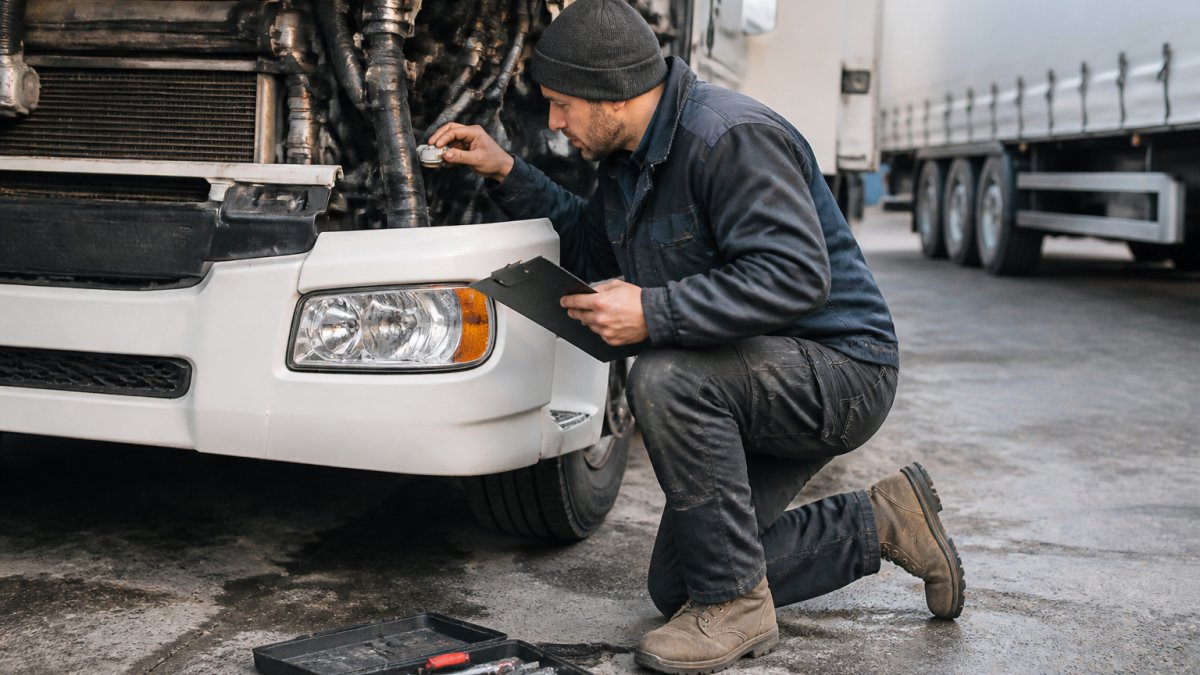
Next, document the problem. Note any warning lights, sounds, or smells. Take photos of the truck's condition and your location. This information helps the technician diagnose faster.
Use the wait time to notify your dispatcher and any affected customers. Call your fleet manager if you're running a load.
Stay hydrated and comfortable. The technician will handle the repair, your job is staying safe and providing accurate information when they arrive.
Truck breakdowns happen. The difference between a minor inconvenience and a major disaster is response time and repair quality. At Big Rig Repair, we understand that every hour your rig is down costs money.
We staff strategically, invest in advanced diagnostics, and maintain transparent communication about response times and costs. Our certified technicians are experts in heavy-duty trucks.
Call Big Rig Repair today to discuss your fleet's maintenance and emergency response needs. We'll show you how our service agreements and preventive maintenance programs reduce breakdowns and protect your bottom line.
Frequently Asked Questions
How quickly can a mobile truck repair service respond to a breakdown?
Response time depends on your location, the time of day, and current technician availability. Urban areas typically see faster response than remote locations. A 24/7 mobile repair service prioritizes emergency calls. Always confirm expected arrival time when you call dispatch.
What information should I provide when calling for truck repair dispatch?
Give dispatchers your exact location (mile marker, highway name, or GPS coordinates), your truck's make and model, the specific symptoms or warning lights you're seeing, your current load weight if relevant, and whether the rig is safely off the roadway. This information helps dispatchers send the right technician with appropriate tools and get an accurate arrival estimate. Provide a working phone number and stay on the line if possible.
What's the difference between semi truck repair time on the roadside versus at a shop?
Roadside repairs typically handle diagnostics, fluid top-ups, belt replacements, and electrical fixes. Major repairs like engine work, transmission issues, or structural damage require a tow to a full service facility, which adds travel time and shop scheduling. A certified technician can assess whether your issue is roadside-fixable during the initial diagnostic. Shop repairs may take several hours to days depending on parts availability and complexity.
How can fleets reduce truck breakdown response delays?
Implement preventive maintenance schedules to catch issues before they cause roadside emergencies. Establish a service agreement with a 24/7 repair provider for priority dispatch. Train drivers to recognize early warning signs and report them immediately. Keep accurate records of each truck's maintenance history and known issues so dispatchers send the right technician. Stock critical spare parts, and keep your fleet's contact information and service preferences updated with your repair provider.
Comments